
In generic medicines, the most expensive commercial decisions are not always made when prices are moving. They can be made weeks or months earlier, when supply conditions are deteriorating but the available pricing data still appears relatively stable.
For pharmaceutical wholesalers and generic manufacturers, historical transaction prices describe what stock has cost. They do not necessarily reveal what replacement stock will cost, how reliably it will be available, or whether emerging supply disruption is changing the competitive landscape.
That distinction matters when managing inventory exposure, evaluating sourcing options, reviewing supplier quotations and protecting commercial margins. The question is not simply whether prices will rise. It is whether emerging supply pressure can be recognised early enough to inform commercial decisions.
MedSupply Intelligence brings together international supply developments, product-level risk assessments, wholesale transaction prices, supplier quotations and predictive modelling. Four medicines affected by October 2026 pricing disruption show how these complementary signals can reveal commercial risk before its full financial consequences become visible.
1. Levetiracetam: risk before market prices diverged
Supply-related intelligence was recorded for Levetiracetam 500mg tablets in May 2026. On 14 July, the medicine was classified HIGH product risk, and it featured in the intelligence newsletter on 21 July. In September, the predictive model ranked it 298th of 4,434 medicines for October concession risk - within the highest 6.7%.
The Drug Tariff price remained virtually unchanged at £2.93–£2.94 per 60 tablets from April to September, and pharmacy purchasing prices remained relatively flat. Yet wholesale pricing records later recorded substantial dispersion: August and early-October orders included observations around £1.74–£3.00; later October orders included £11.00 with quotations reaching £11.95.
Subsequently, an October concession of £4.23 was announced on 23 October, and revised to £8.50 in a notification dated 4 November; 5 months after being highlighted by iEthico.
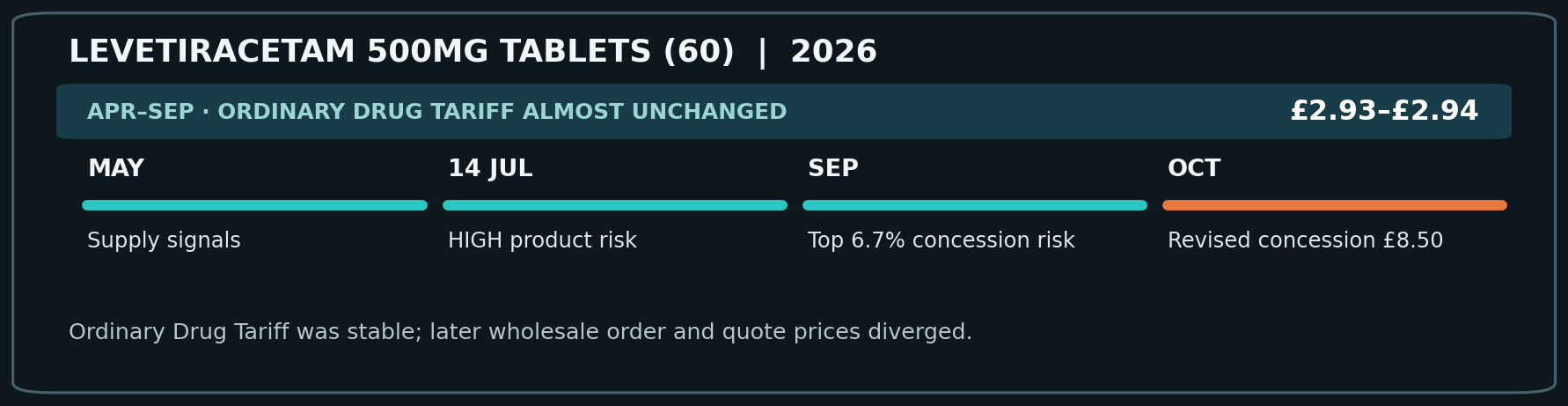
Figure 1. Early product-level risk and concession-risk prioritisation preceded October market-price dispersion by +5 months.
Commercial relevance
Earlier risk visibility can prompt stock-exposure, supplier-availability and replacement-cost reviews before price disruption is fully reflected in transactions.
2. Levothyroxine: visibility beyond the domestic market
Levothyroxine sodium 25microgram tablets illustrate why supply signals need not originate in domestic pricing. The 19 May newsletter highlighted international supply and pricing developments; subsequent portfolio reporting captured supply-related signals.
The Drug Tariff price for 28 tablets was £0.67 in April, May and June, increasing to £0.78 in July. The current concession episode began in September at £1.59, with the revised October concession reaching £3.45.
For manufacturers, this type of intelligence can trigger closer examination of market availability, supplier concentration and sourcing resilience. It does not, by itself, establish a particular API shortage or prove that a different stock-allocation decision would have improved margins.
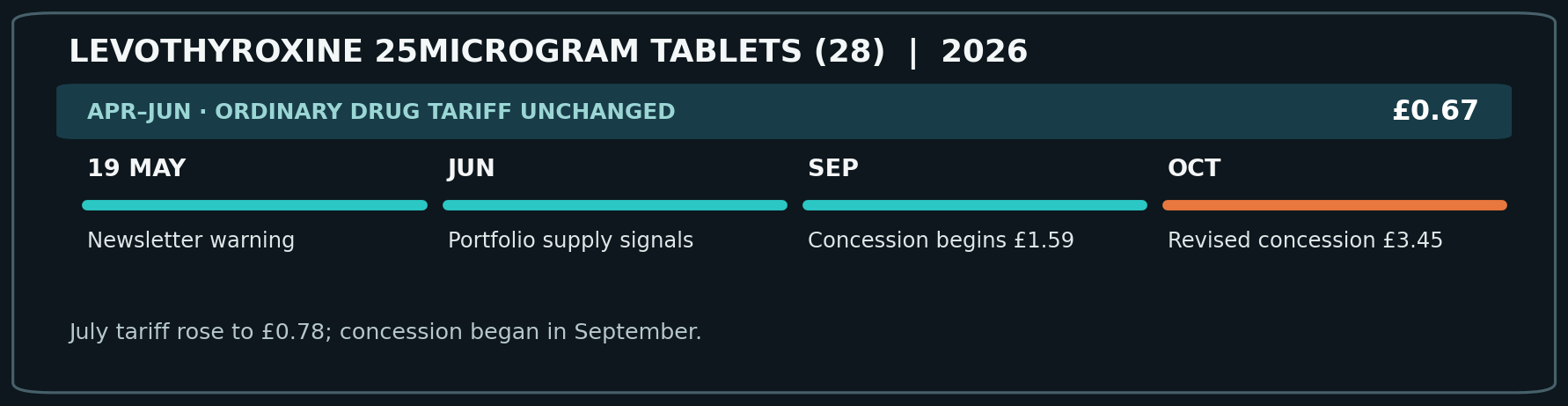
Figure 2. International intelligence highlighted by iEthico in May preceded the current September concession episode.
Commercial relevance
Cross-border intelligence can identify portfolios needing investigation before domestic reimbursement benchmarks respond.
3. Ramipril: existing pressure can still escalate
Ramipril 10mg capsules were already in a concession episode at the beginning of 2026. May portfolio reporting identified supply-related signals; by July, product-level intelligence indicated VERY HIGH risk, including UK supply disruption indicators.
Concession prices rose from £1.17 in May to £2.89 in July and £4.65 in September, before the revised October concession reached £6.29.
The commercial question is whether an already stressed market is stabilising or becoming more volatile. Forward-looking intelligence can support reviews of inventory exposure, replacement-cost assumptions, supplier engagement and pricing risk without claiming that holding stock would necessarily generate higher profits.
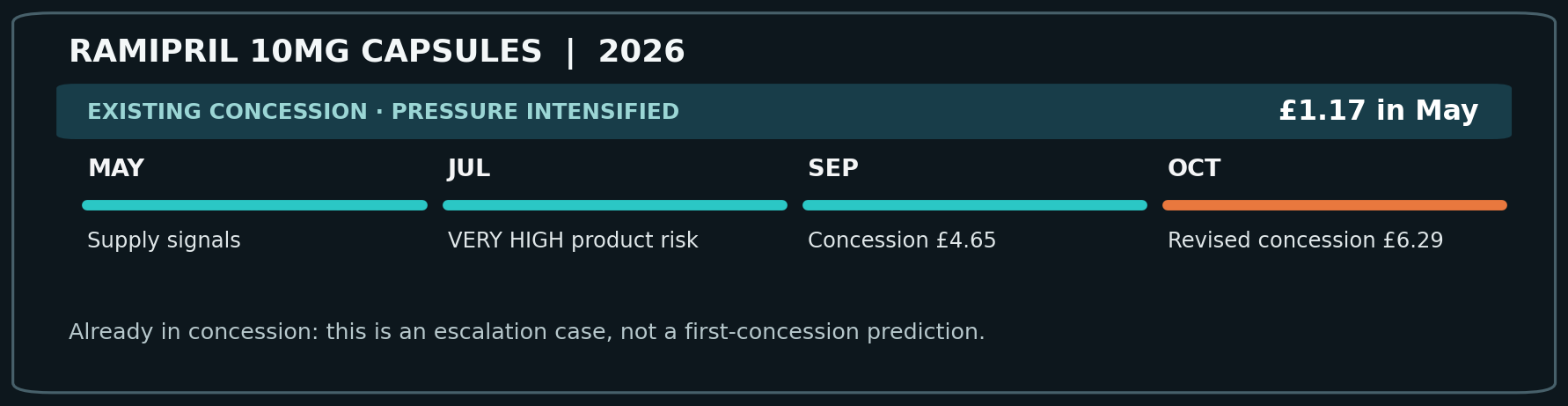
Figure 3. Continued intelligence during an existing concession episode highlights the risk of treating initial reimbursement intervention as the end of the disruption.
Commercial relevance
Ongoing surveillance helps teams reassess exposure when an existing market disruption is intensifying rather than resolving.
4. Metformin: pressure while observed prices remained relatively stable
Metformin 1g modified-release tablets featured in the intelligence newsletter on 7 April 2026. June portfolio reporting subsequently identified supply risk activity, while tracked price changes for relevant packs were limited.
In the observed wholesale order-price series, the 56-tablet pack remained around £1.50 through much of August and September before increasing materially in October. The latest October concession was £3.11. Metformin was already in a concession episode in April, so this example concerns continuing risk monitoring rather than predicting its initial onset.
Relatively stable observed transaction prices should not be assumed to mean that supply conditions are equally stable. A buyer or manufacturer also needs to assess whether the price reflects reliably replaceable stock and whether other supply signals suggest emerging vulnerability.
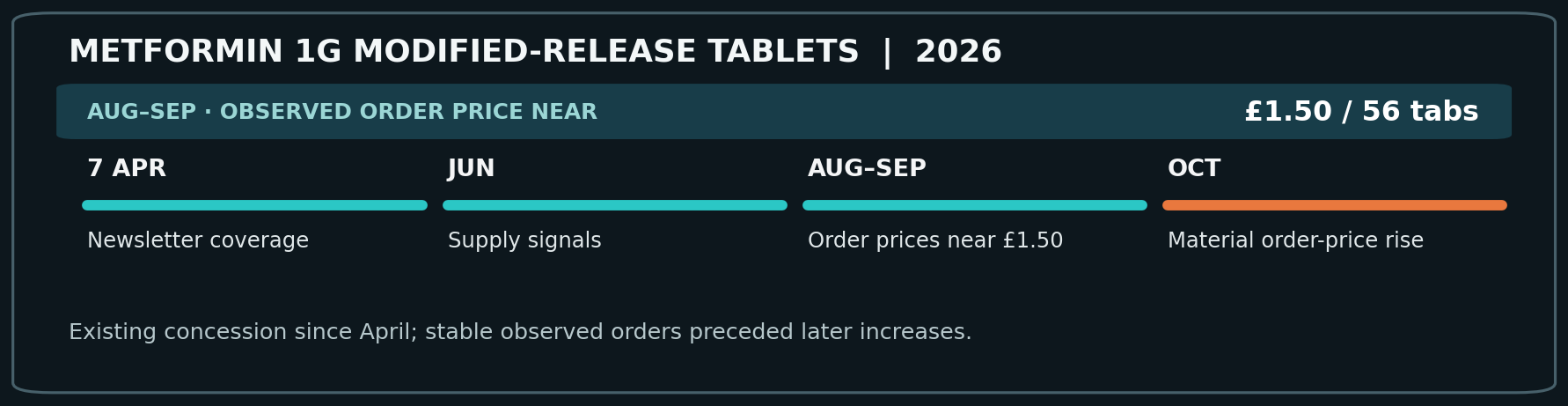
Figure 4. Early supply intelligence and relatively stable observed wholesale order prices preceded later October increases.
Commercial relevance
Price stability can coexist with supply risk; combining market observations with supply intelligence supports earlier scrutiny of replacement availability.
The recurring pattern: intelligence before the full commercial impact
These medicines followed different paths. Levetiracetam showed elevated risk before major wholesale price dispersion and its first concession in the current episode. Levothyroxine showed international signals before a new domestic concession episode. Ramipril illustrated intensifying pressure during an existing concession. Metformin showed how supply signals can persist while observed transaction prices remain relatively stable.
The common pattern is not that every supply warning predicts a specific price. It is that supply conditions can deteriorate before the full financial consequences appear in wholesaler transactions or reimbursement benchmarks. For organisations managing substantial medicine portfolios, that timing matters.
Three capabilities that support better commercial decisions
Anticipate emerging supply pressure
Identify medicines and markets requiring attention before disruption becomes obvious in internal trading data - supporting earlier supplier investigations, sourcing reviews and inventory-exposure assessments.
Understand market pricing behaviour
Combine observed wholesale order prices, supplier quotations and reimbursement developments to examine price dispersion, changing availability and potential replacement-cost volatility. A single average rarely captures the full complexity of a tightening market.
Prioritise commercial exposure
Use product-level intelligence and predictive modelling to focus procurement, trading and portfolio-management attention on medicines most likely to warrant closer monitoring. Not every supply alert has the same commercial significance.
From reactive reporting to forward-looking intelligence
The objective is not to predict every price movement perfectly. It is to reduce dependence on lagging indicators when making decisions about supply, inventory and commercial exposure. October’s market disruption illustrates why combining upstream intelligence, product-level risk and observed pricing behaviour can be more useful than any single data stream.
Your trading data tells you what has changed.
MedSupply Intelligence helps you plan for what is changing next.
For pharmaceutical wholesalers
See the pressure before it reaches your trading desk. Explore how emerging supply risk, supplier quotations and predictive intelligence can support inventory, sourcing and margin-risk decisions. Speak with our Enterprise Intelligence Team.
For generic manufacturers
Know where your portfolio is exposed before the market reacts. Discover how product-level and cross-border supply intelligence can support assessment of sourcing resilience, market availability and commercial portfolio exposure. Request an Enterprise Portfolio Risk Assessment.
Editorial note: Historical examples are retrospective. Observed orders and quotations may reflect different suppliers and presentations; selected prices do not establish universal market levels. Published concessions are reimbursement benchmarks, not transaction prices. Risk identification is distinct from exact price forecasting.